
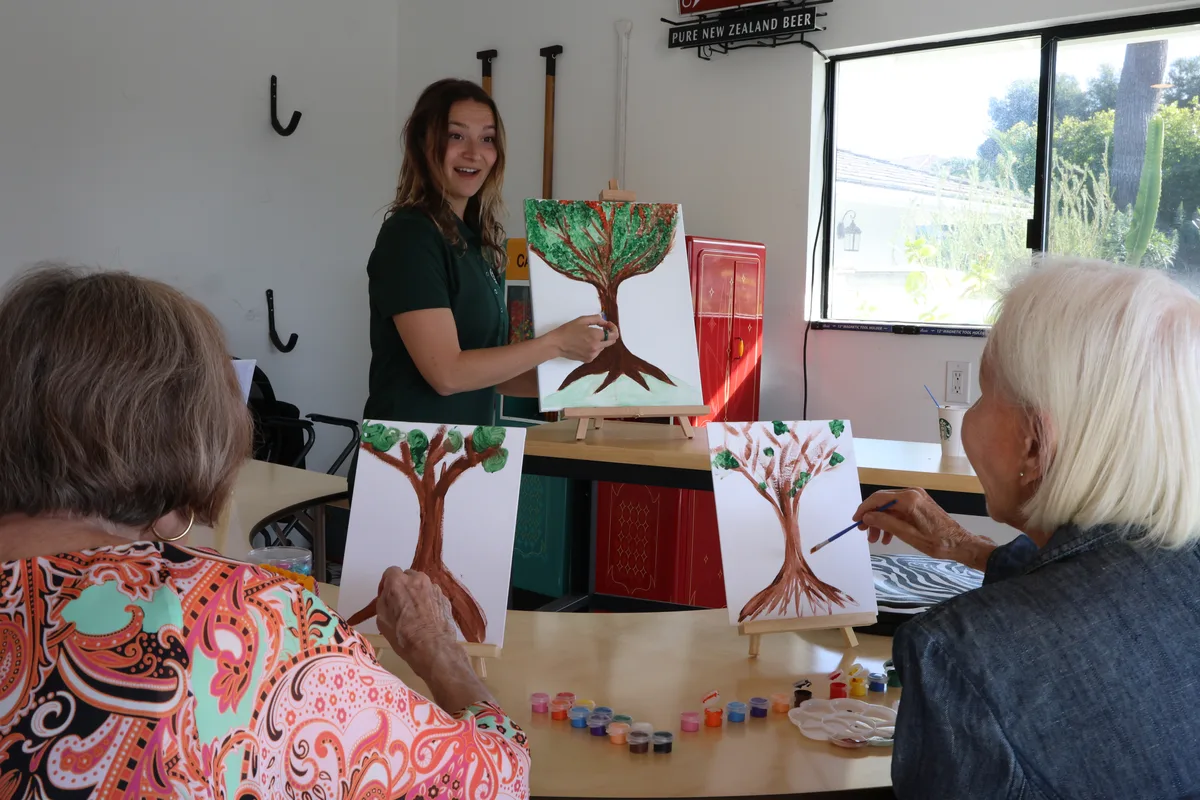
Signature Program
Holistic Memory Care Program
A more thoughtful approach to dementia support, by including non-drug therapies, creating a calming daily environment, and a routine shaped around each person.
Holistic Memory Care
A Dedicated Holistic Memory Care Program
The holistic memory care program adds non-pharmacologic support such as personalized music, reminiscence, sensory approaches, and one-on-one engagement to support comfort, recognition, and quality of life.
What it is not
These approaches are not presented as cures or disease-stopping treatments. They are included because they are low-risk and either evidence-supported or promising when tailored thoughtfully to the individual.
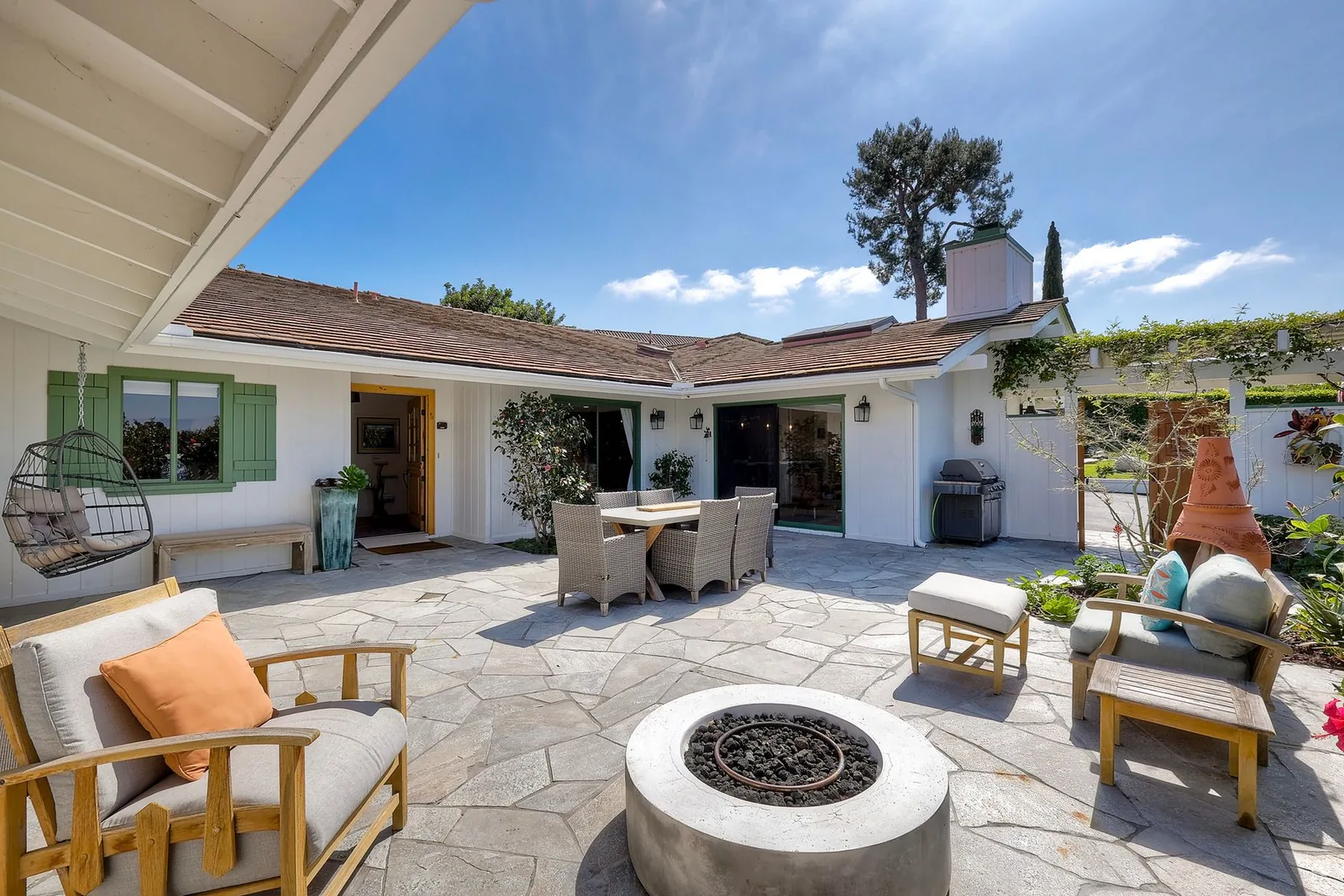
Personal History Becomes Active Care
Personal history becomes an active part of daily care, not just background information.
No two residents experience dementia in exactly the same way. Before move-in, families and close friends are asked to complete a detailed personal history form covering the resident’s music, routines, foods, travel memories, work, hobbies, relationships, spiritual background, and other meaningful details. That information is combined with an in-person assessment and ongoing observation in the home to help shape a more personal care plan from the start.
These details are not treated as background information. They are actively used to guide the resident’s daily routine, conversation prompts, therapies, preferred activities, sensory environment, and overall care plan.
Personalization in Practice
Music and sensory preferences
Favorite routines and conversation prompts
Foods, travel memories, and familiar places
Spiritual background, hobbies, and relationships
Therapies and Supports
A More Thoughtful Mix of Non-Drug Supports
Music Therapy
Personalized music can help create calm, improve mood, encourage engagement, and bring back a sense of familiarity for some residents. It is one of the most natural and well-tolerated ways to support emotional connection in dementia care, especially when tailored to the resident’s own history and preferences. Music therapy services may also be incorporated through partners such as MusicWorx.
View ResearchAromatherapy
Gentle scent-based routines may help support calm and reduce behavioral distress for some residents when used thoughtfully and only when well tolerated. We would keep this subtle, individualized, and sensory-friendly rather than overwhelming or overly structured.
View ResearchMassage Therapy
Massage and touch-based support can add comfort, reassurance, and relaxation, and may be especially helpful for residents who respond well to soothing sensory input. This is positioned as a comfort-focused, low-risk support when tailored appropriately and can be incorporated selectively as part of the broader care experience.
View ResearchCognitive Stimulation
Cognitive stimulation exercises are adapted to the resident’s ability level and may help support attention, participation, mood, and quality of life. The goal is not to pressure performance, but to keep the mind engaged in ways that feel manageable, respectful, and meaningful.
View ResearchMovement and Resistance Exercise
Daily movement and strength-based exercise can support balance, mobility, daily function, and overall wellbeing. When supervised and adapted properly, exercise is generally safe for many residents living with dementia and can become an important part of a steadier daily rhythm.
View ResearchBright-Light Support
Morning light can help reinforce a steadier daily rhythm and may support wakefulness during the day, better nighttime sleep, mood, and overall alertness for some residents. We would use this selectively and thoughtfully based on tolerance, fit, and daily routine.
View ResearchReminiscence Therapy
Photos, stories, music, familiar places, and life-history prompts can help residents feel more connected, recognized, and emotionally grounded. Reminiscence-based activities are especially valuable when they are built around the resident’s own life, relationships, and memories.
View ResearchNutrition and Hydration Monitoring
A balanced, monitored diet and close attention to hydration help support strength, comfort, energy, and day-to-day wellbeing. In dementia care, nutritional support matters not because it changes the diagnosis, but because it can meaningfully affect how a person feels and functions.
View Research40 Hz Sensory Stimulation
40 Hz light-and-sound stimulation is an emerging sensory-based therapy that has shown early promise in Alzheimer’s research. If it appears to be a good fit for a resident, we have the ability to support this type of evolving non-drug intervention thoughtfully and selectively, while recognizing that it remains an emerging approach rather than an established standard therapy.
View Research
A More Calming Daily Environment
The program is as much about the daily environment as it is about any one therapy.
The program is not limited to scheduled activities. It also includes many smaller supports behind the scenes: quieter transitions, more consistent routines, thoughtful sensory input, personalized music, familiar conversation prompts, balanced meals, structured movement, and a daily rhythm designed to feel more manageable and less overstimulating.
Some residents respond best to movement. Others to music, touch, reminiscence, visual cues, or a gentler sensory environment. The program is adjusted continuously based on what appears to help, what feels familiar, and what the resident tolerates well.
Why Families Value It
More than strong supervision and personal care alone.
Families often want more than supervision and personal care. They want their loved one to have companionship, flexibility, and opportunities for meaningful engagement. This program helps provide that added layer of attention in a way that feels thoughtful, consistent, and genuinely personal.
Private Tours
Schedule a Private Tour
We welcome private tour inquiries from families who want to learn more about holistic memory care at Casa La Granada.